Sewing Pin Cushion: A Designer’s Review
When I am evaluating a new machine embroidery design for my own studio or for client work, I look past the pretty preview image. I need to know if it will stitch cleanly, hold up to washing, and actually sell as part of a cohesive brand or personal gift. Recently, I took a closer look at the Sewing Pin Cushion design. On the surface, it promises a delightful update for fabrics, but does it deliver in practice? After running several tests on different materials and imagining its application in real-world scenarios, here is my honest assessment of this embroidery file.
First Impressions and Visual Personality
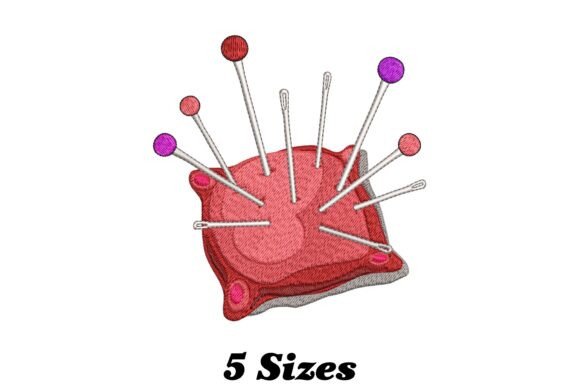
The Sewing Pin Cushion design immediately strikes me as approachable and charming. It carries a mood that is both nostalgic and modern—a perfect blend for today’s handmade market. The layout feels balanced, suggesting that the artist paid attention to negative space and visual weight. This is crucial because a design that looks cluttered in the software often becomes illegible once stitched.
Visually, the pin cushion shape offers a soft, rounded silhouette that contrasts nicely with the sharper lines of text or geometric borders often found in other designs. It has a "whimsical but grounded" personality. It doesn’t scream for attention; instead, it invites the viewer to look closer. For a designer, this is a huge plus. It means the design can act as a focal point without overpowering the garment or accessory it is placed upon. The detail level appears sufficient to convey texture—perhaps simulating the fabric of the cushion itself or the pins sticking out—without requiring an excessive number of thread changes that might bog down production time.
Real-World Application Scenarios
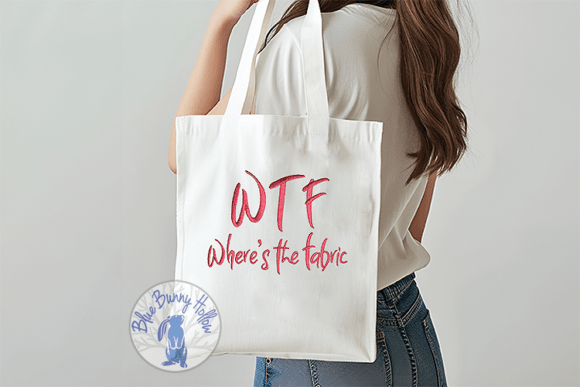
Let’s talk about how this embroidery project translates to finished products. I spent some time mentally (and physically) mapping out where Sewing Pin Cushion would shine. My first scenario was creating a custom embroidered tote bag for a local craft fair. Placing this design centrally on a heavy canvas tote gives it a boutique feel. It signals to the buyer that the bag isn’t just a utility item; it’s a statement piece for someone who appreciates sewing or crafting. The vibrant flair mentioned in the description suggests it would pop against neutral tones like beige, grey, or denim blue.
Another strong use case is for personalized gifts. Imagine a baby shower gift: a soft cotton onesie or a burp cloth featuring this design. The theme is gentle and thematic, fitting perfectly into nursery decor or baby clothes categories. It also works beautifully as an embroidered patch that could be ironed onto a child’s backpack or a denim jacket, adding a touch of playful identity. For holiday embroidery, consider placing it on kitchen towels or aprons. The imagery is universally understood, making it an ideal choice for wedding gifts or housewarming presents where the recipient is likely to host or cook.
For small business owners and Etsy sellers, this design offers versatility. It can serve as a printable mockup element for digital product previews, helping you showcase your services before the actual stitching begins. Whether you are selling custom apparel, sweatshirt embroidery, or small shop products like pillow covers, the Sewing Pin Cushion adds a layer of professionalism. It tells the customer that you understand thematic consistency. When your shop features cohesive designs, buyer engagement increases because the brand feels curated rather than random.
Technical Performance and Stitch Analysis
From a technical standpoint, the success of any digital embroidery file relies heavily on stitch density and placement. While specific stitch counts vary by format, a well-executed pin cushion design should utilize a mix of satin stitches for outlines and fill stitches for the body to create volume. If the design relies too heavily on dense fills, it may become stiff and uncomfortable, especially on garments like t-shirts or caps.
I recommend inspecting the design in black and white mode within your embroidery software. This helps determine if the contrast between elements is clear. If the pin details are too thin relative to the cushion body, they might get lost in the stitching, resulting in a muddy appearance. Conversely, if the outline is too thick, the design loses its delicate charm. The key is balance. You want the thread colors to enhance the form, not obscure it. Testing on scrap fabric is non-negotiable here. You need to see how the stitch density interacts with the weave of your chosen material.
Where to Exercise Caution
Not every surface is suitable for this design. There are specific situations where Sewing Pin Cushion might struggle:
- Small Hoop Sizes: If the design exceeds your machine’s hoop limit, you risk losing critical details or having to split the design awkwardly.
- Textured or Stretchy Fabrics: Knits and highly textured materials can distort the shape of a round object like a pin cushion. Without proper stabilization, the design may pucker or shift.
- Curved Surfaces: Applying this to caps or hats requires careful positioning. A flat design stretched over a curve can look distorted if not anchored correctly.
- Dense Stitch Areas: Avoid placing this design near seams, zippers, or areas that undergo frequent friction, such as the hem of a sweatshirt. The bulk from the embroidery could cause discomfort or wear out faster.
- Thin or Delicate Fabrics: Light silks or thin linens may require additional stabilizer support, which can sometimes be visible on the reverse side, affecting the overall finish.
Impact on Product Value and Branding
In the world of handmade products, presentation is everything. A well-stitched Sewing Pin Cushion elevates the perceived value of the item. It transforms a plain tea towel into a "chef’s specialty" or a basic tote into a "designer favorite." This elevation builds customer trust. Buyers associate clean, precise stitching with quality craftsmanship. When your finished product looks sharp, customers are more likely to leave positive reviews and return for future purchases.
Furthermore, this design supports brand consistency. If you run a craft business focused on home goods, using thematic designs like this creates a recognizable style. Customers begin to associate that specific whimsical aesthetic with your name. It becomes a signature element, much like a logo, though softer and more decorative. For commercial embroidery projects, this versatility allows you to offer a wider range of options without needing a vast library of unrelated designs.
Practical Designer Notes for Success
To ensure the best results when working with this embroidery design, follow these practical steps:
- Test on Scrap Fabric: Always run a test stitch-out before committing to the final material. Check for tension issues, thread breaks, or alignment errors.
- Check Thread Contrast: Ensure your chosen thread colors provide enough contrast against the fabric. Dark threads on dark fabric can disappear, while light threads on bright colors might wash out.
- Use Proper Stabilizer: Match your stabilizer to your fabric weight. Cut-away stabilizers are generally safer for stretchy or frequently washed items, while tear-away may suffice for stable wovens.
- Inspect Small Details: Zoom in on the digital file. Are the pins distinct? Is the cushion shape symmetrical? If details are too small, consider enlarging the design slightly during digitizing or planning.
- Confirm Licensing: Before selling finished items or using this as part of design assets for clients, verify the license terms. Some files are for personal use only, while others allow commercial sales.
- Compare Backgrounds: View the design on both light and dark fabric backgrounds digitally. This helps you decide which colorways will work best for different product lines.
Ultimately, the Sewing Pin Cushion design is a solid addition to any embroiderer’s library. It offers a blend of charm and practicality that resonates with a wide audience. Whether you are creating a one-off personalized gift or stocking shelves for your Etsy seller shop, this design provides a reliable foundation for beautiful, marketable work. Just remember: the magic lies not just in the file, but in the execution. Take your time, prep your materials, and let the stitching tell the story.