Funny Crazy Chicken Embroidery Review
As an embroidery designer who spends hours tweaking stitch paths and testing thread contrasts, I am always on the lookout for designs that bring genuine personality to a garment. When browsing Creative Fabrica embroidery collections for my next boutique apparel drop, I stumbled upon the Funny Crazy Chicken. At first glance, it seems like a simple farm animal motif, but upon closer inspection, it offers a unique visual punch that could elevate a standard sweatshirt into a statement piece. This review breaks down how this machine embroidery design might perform in a real-world commercial setting, specifically for hoodie design and custom apparel projects.
First Impressions: Visual Mood and Personality
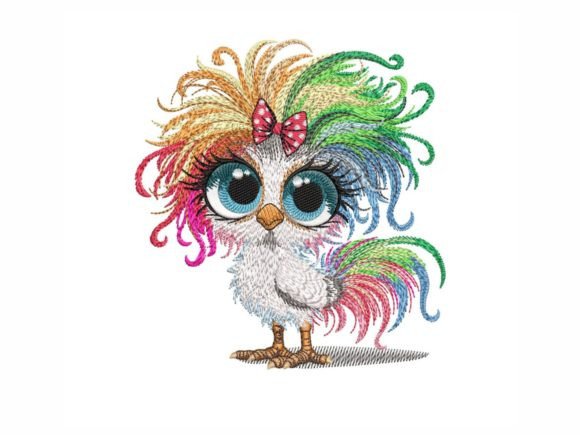
The name Funny Crazy Chicken sets a specific expectation, and the design delivers on the playful side. In the world of embroidery, "cute" can sometimes veer into the overly saccharine or childish, but this design strikes a balance between rustic charm and modern whimsy. It feels less like a nursery item—despite being ideal for nursery items like wall hangings, pillows, or quilt blocks—and more like a bold graphic element suitable for streetwear or casual lifestyle brands.
The visual personality is high-energy. The stitching mood appears lively, suggesting a character that is spirited rather than passive. For a boutique brand looking to stand out in a saturated market, this kind of distinct character work is valuable. It avoids the minimal aesthetic that dominates many current trends, opting instead for a classic yet trendy approach that appeals to buyers who enjoy humor in their fashion. The detail level seems sufficient to hold attention without becoming cluttered, making it a strong candidate for decorative strength on larger canvas garments.
Applying Funny Crazy Chicken to Apparel Collections
Imagine preparing a small sweatshirt or hoodie collection for an online shop. How does this design translate from a digital file to a finished product? Here is how I see it performing across various garment types:
- Sweatshirt Embroidery: This is the primary use case. Placed on the chest of a neutral heather grey sweatshirt, the design would pop with contrast. The texture of the fleece fabric complements the organic feel of a farm animal theme, creating a cozy, farm-themed atmosphere that feels intentional rather than accidental.
- Hoodie Chest Placement: For a hoodie design, centering the chicken creates a focal point. It works well as a standalone graphic, allowing the wearer to express a quirky sense of humor without needing additional text.
- Sleeve Accents: If the design allows for scaling, a smaller version on the sleeve cuff or upper arm could add a subtle detail that rewards closer inspection by the viewer.
- Back Designs: On oversized garments, placing the design on the back offers a larger canvas. This allows the full personality of the chicken to shine, turning the wearer’s back into a conversation starter.
- T-Shirt Embroidery: While t-shirts are common, the weight of a chicken design might be better suited for heavier fabrics. However, on a heavyweight cotton tee, it adds a premium touch compared to screen printing.
- Denim Jackets: Denim provides a sturdy base that can handle the density often found in detailed embroidery. A distressed denim jacket with this design would lean into the rustic, handmade product vibe.
- Tote Bags: Beyond apparel, this design translates beautifully to tote bags. The durable canvas supports the stitch density, making it a practical accessory for the modern Etsy seller.
Styling for Boutique Merchandise
When thinking about lifestyle product photos, consider pairing the Funny Crazy Chicken with pastel hoodies for a softer, spring/summer look, or dark apparel for a sharper, autumnal contrast. The versatility of the design means it can fit into multiple seasonal collections. For social media graphics, these images serve as excellent content, showcasing the craftsmanship involved in creating a commercial embroidery product.
Practical Design Considerations and Risks
While the design has potential, an experienced designer knows that execution is everything. There are areas where you must be careful when applying this machine embroidery design to ensure a professional presentation.
Placement and Fabric Interaction: Avoid small chest placement if the design has fine details that might get lost or distort. Dense stitch areas require a stable base; if placed on stretchy fabric or ribbed fabric without proper support, the stitches may pucker or shift. Dark garments can hide thread colors if the contrast isn't carefully selected, so test your thread choices rigorously. Curved surfaces, such as the shoulder seam or the curve of a sleeve, present challenges for flat embroidery. Ensure the hoop size accommodates the curvature without distorting the garment shape.
Texture and Wrinkling: Fleece and sweatshirt materials have a nap that can obscure fine stitch work. Inspect the stitch density against the fabric texture to ensure the design remains legible. Tiny lettering, if included, should be scrutinized for readability after washing. Areas that may stretch or wrinkle frequently, such as under the arms or near the waistband, are generally poor locations for detailed embroidery.
Impact on Brand Identity and Value
Using a unique design like Funny Crazy Chicken can significantly affect your apparel value. In a market flooded with generic clipart, a well-executed embroidery design signals quality. It builds buyer trust because customers perceive embroidered goods as more durable and premium than printed ones. This contributes to product recognition, helping your small shop product stand out in search results and on social feeds.
Visual consistency is key for a boutique brand. If you plan to release a series of farm animal designs, ensuring they share a similar style and scale will create a cohesive collection. This professionalism enhances customer engagement, as shoppers are more likely to return to a brand that demonstrates a clear, consistent aesthetic vision.
Designer Notes for Production
Before adding this to your production queue, follow these practical steps:
- Test on Scrap Fabric: Always run a test stitch-out on the exact fabric you intend to use. This reveals issues with tension or stabilizer choice before you commit to a retail garment.
- Check Stabilizer Choice: The right stabilizer is crucial for preventing distortion. For knit fabrics like sweatshirts, a cut-away stabilizer is often recommended for durability.
- Review Thread Color Contrast: Select thread colors that complement the design’s mood. High contrast usually ensures better visibility, but tonal threads can offer a sophisticated, subtle look.
- Confirm Hoop Size: Ensure your embroidery machine’s hoop size can accommodate the design dimensions. If the design is large, you may need to reposition the hoop during stitching.
- Inspect Stitch Density: Verify that the stitch density is appropriate for the fabric. Too dense, and the fabric may become stiff; too sparse, and the backing may show through.
- Compare Placement Options: Try different placements on the garment to see what looks most balanced. Center chest, left chest, and back yoke are common starting points.
- Check Licensing: Most importantly, check Creative Fabrica product details and licensing before selling finished apparel. Ensure you have the correct commercial rights to sell physical items made from the digital embroidery file.
In conclusion, the Funny Crazy Chicken is more than just a cute farm animal motif; it is a versatile tool for creative entrepreneurs. By approaching it with professional diligence—testing fabrics, choosing the right stabilizers, and planning thoughtful placements—you can transform this digital embroidery file into a standout piece of custom apparel. It offers the perfect blend of humor and craft, ready to bring a bit of crazy charm to your next boutique collection.