Cute Highland Cow Design Review
As an embroidery designer who has spent years refining digitizing techniques for small business clients, I look at every new design file with a specific lens: Will this sell? It is not enough for a design to simply stitch out; it must translate into a tangible asset that enhances brand identity and drives customer engagement. Today, I am reviewing the Cute Highland Cow machine embroidery design, a piece categorized under Farm Animals within the Embroidery sector. This review focuses on its viability for branded merchandise, embroidered patches, uniforms, and small business product lines.
First Impressions: Personality and Professionalism
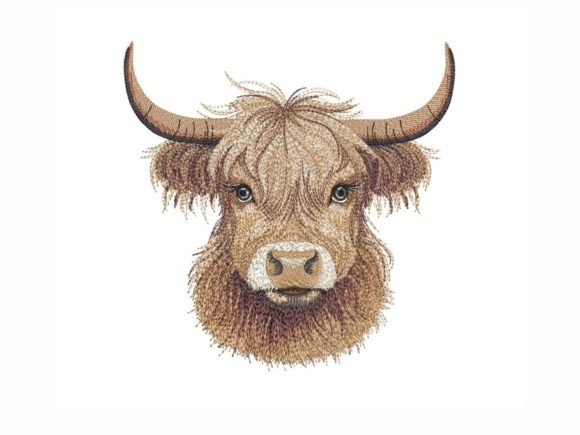
The title "Cute Highland Cow" immediately sets a tone of approachability and charm. In the world of branding, personality is currency. This design does not feel rigid or overly corporate; instead, it exudes a rustic, playful, and handmade aesthetic. For small business owners, particularly those in the food, beverage, or lifestyle sectors, this visual language is powerful. The description promises to embellish fabrics with a "cool embroidery design" that adds a "touch of charm." From a digitizing perspective, this suggests a balance between detailed character work and clean, readable lines—essential traits for commercial success.
When I first visualize the finished product, I see a design that feels premium yet accessible. It avoids the cluttered look of poorly optimized files while maintaining enough detail to justify a higher price point on handmade products. The "highland cow" motif is inherently popular, evoking feelings of warmth, nature, and artisanal quality. This makes it an excellent candidate for businesses looking to humanize their brand and connect emotionally with their audience.
Real-World Business Applications
The true test of any digital embroidery file is its performance across various applications. Here is how the Cute Highland Cow holds up in real-world scenarios for small business merch and custom apparel:
- Embroidered Patches: This design shines as a standalone patch. Whether sewn onto denim jackets, canvas tote bags, or leather goods, the distinct silhouette ensures recognition even from a distance. It serves as a perfect badge of affiliation for staff or a collectible item for customers.
- Staff Uniforms and Aprons: For bakeries, cafes, or farm-to-table restaurants, placing this design on chest pockets or apron bibs adds a touch of whimsy without sacrificing professionalism. It signals to customers that the business cares about details and has a fun, welcoming atmosphere.
- Cap Embroidery: The compact nature of many highland cow designs often fits well on the curved front panel of baseball caps or beanies. It works exceptionally well for outdoor brands, pet shops, or rural boutiques looking to create cohesive team wear.
- Tote Bag Designs: A single, centered placement on a heavy-duty canvas tote creates a statement piece. This is ideal for craft fair vendors, Etsy sellers, or local florists who want their packaging to double as marketing material.
- Product Packaging Accents: Small business owners can use this design to add value to gift boxes. A small embroidered tag attached to a jar of honey, a bundle of dried flowers, or a set of candles elevates the perceived value of the handmade product.
- Etsy Branding and Digital Assets: Even if you do not offer physical embroidery services, having a high-quality mockup of this design allows you to sell printable templates or digital art prints, expanding your revenue streams.
Where to Use With Caution
While versatile, no design is universal. There are specific contexts where the Cute Highland Cow requires careful consideration to maintain quality:
- Small Patch Sizes: If scaling down to less than 2 inches, fine details may merge. Always inspect the spacing and ensure outlines remain distinct.
- Curved Surfaces: While caps are forgiving, highly curved items like sleeves or rounded bottle holders can distort straight lines. Test on the actual curve before bulk production.
- Tiny Lettering: If the design includes text, ensure it is large enough to be legible. Small text on dark uniforms can become unreadable after washing.
- High Stitch Density: On delicate fabrics, high density can cause puckering. Conversely, on thick denim, insufficient density might show the backing material.
- Frequent Washing: For items that undergo industrial laundering, verify that the thread colors are colorfast and the stitch count is robust enough to withstand abrasion.
Impact on Brand Identity and Customer Trust
Using a well-executed design like Cute Highland Cow directly influences how customers perceive your brand. Consistency is key to building trust. When a logo or accent design is clean, properly spaced, and professionally stitched, it signals attention to detail. Customers subconsciously associate the quality of the embroidery with the quality of your core products.
A charming, well-stitched cow motif on a bakery’s apron or a boutique’s shopping bag creates a memorable visual anchor. It encourages social media sharing, as unique and cute designs are highly shareable. This organic visibility boosts brand recognition and fosters a sense of community among buyers who appreciate the aesthetic. Furthermore, using consistent design assets across different touchpoints—from online listings to physical tags—creates a cohesive brand identity that stands out in a crowded marketplace.
Practical Designer Notes for Production
Before committing to a production run, I recommend the following steps to ensure the best outcome:
- Test in Black and White: Convert the design to monochrome to check contrast and readability. If it doesn’t work in black and white, it likely won’t work in color.
- Check Thread Color Contrast: Ensure the chosen threads pop against your fabric. Dark fabrics may require bright or metallic threads to highlight the design’s features.
- Inspect Spacing and Hoop Size: Confirm the design fits comfortably within your standard hoop size to avoid edge trimming issues. Check that elements are not too close to the edges where they might get caught.
- Test on Real Fabric: Never assume a design will stitch perfectly on all materials. Run a test sample on the exact fabric you plan to use, including the appropriate stabilizer (cut-away for knits, tear-away for wovens).
- Create a Mockup for Client Approval: Use a printable mockup to show clients how the final product will look. This manages expectations and reduces returns.
- Compare Beside Other Assets: Place the design next to your existing logos or patterns to ensure visual harmony. Does the style match? Is the scale appropriate?
- Confirm Commercial Licensing: Most importantly, verify the commercial embroidery rights. Ensure you have the legal right to sell products made with this digital embroidery file. Do not assume usage rights based on purchase alone.
In conclusion, the Cute Highland Cow is a strong contender for small business merchandise. Its friendly aesthetic and versatility make it suitable for a wide range of applications, from apron embroidery to tote bag design. By paying attention to technical details like stitch density and stabilizer choice, and by ensuring proper licensing, you can leverage this design to enhance your product value and engage customers effectively. Remember to check the specific stitch count, file format, and recommended hoop size provided by the creator before starting your production process.