Red Bow Applique Review
If you have spent any time walking the aisles of a weekend craft fair or scrolling through your favorite handmade marketplace, you know that visual impact is everything. As an embroidery designer who has produced hundreds of designs for market booths and online shops, I look at every new file with a critical eye. Does it pop? Is it practical to produce in bulk? Will it hold up under scrutiny? Today, I am reviewing the Red Bow Applique, a design that promises to add a playful and fanciful accent to any project. Let’s break down whether this piece deserves a spot in your production queue.
First Impressions: Bold, Playful, and Photogenic
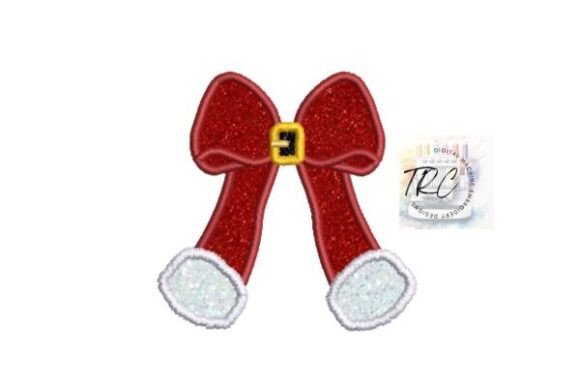
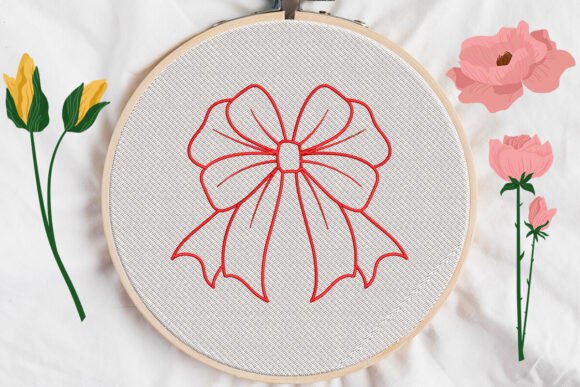
The title Red Bow Applique immediately suggests a classic, timeless aesthetic. In the world of handmade goods, bows are evergreen. They appeal to children, teens, and adults who appreciate a touch of whimsy or vintage charm. From a designer’s perspective, the color red is a strategic choice. It draws the eye instantly. When you set up your booth table, covered in neutral linens or pastel displays, a vibrant red element acts as a focal point. It signals energy and attention.
The description highlights that this is a "cool embroidery design" meant to transform fabrics. This implies versatility. It is not limited to one specific niche but rather serves as a decorative accent that can elevate simple items. For the Etsy seller or boutique maker, this means you are not pigeonholing yourself into just one customer demographic. A red bow can be girly, rustic, modern, or festive depending entirely on the fabric and thread choices you make.
Product Applications: Where Red Bow Applique Shines
To determine if a design is a winner, I always ask: what can I stitch onto it quickly and sell profitably? Here is how Red Bow Applique performs across various high-demand categories.
- Tote Bags and Market Bags: This is perhaps the strongest application. A bold red bow centered on a canvas tote or a sturdy cotton market bag creates an instant brand statement. It photographs beautifully for online listings, looking crisp against natural fibers. It works equally well as a small accent near the handle or as a larger focal point on the front panel.
- Kitchen Towels and Aprons: The "tea towel embroidery" market is robust. A red bow adds a farmhouse or cottage-core vibe that sells exceptionally well during holidays like Valentine’s Day, Christmas, or Mother’s Day. On an apron, it adds a touch of personality without being overwhelming. Just be mindful of the fabric texture; ensure the design scales well so it doesn’t get lost in heavy weave towels.
- Embroidered Patches: If you sell patches as accessories, this design is ideal. Bows are highly collectible and popular on denim jackets, backpacks, and beanies. The applique style likely offers clean edges that finish neatly when cut out, making it a premium-looking finished product.
- Caps and Headwear: Curved surfaces present challenges, but a symmetrical bow design often translates well to the front panel of a dad hat or structured cap. It provides a soft contrast to the rigid structure of the hat. However, test this carefully on your actual blank inventory to ensure the hoop placement allows for proper tension.
- Pillow Covers and Home Decor: For the home decor enthusiast, this design adds a pop of color to throw pillows. It fits well in nursery themes, shabby chic interiors, or modern minimalist spaces where a single graphic element is preferred over busy patterns.
Production Practicality and Booth Strategy
For the craft fair seller, speed and consistency are key. You need designs that are easy to understand at a glance and quick to stitch. Red Bow Applique appears to be designed as an accent, which usually means it is smaller and less dense than full-face portraits or complex landscapes. This is a significant advantage. Less density often means faster turnaround times and fewer thread breaks, allowing you to produce batch quantities for your booth display more efficiently.
When photographing your products for your Etsy listing or social media, this design is photogenic. The red color contrasts sharply with most background colors, making your images stand out in crowded feeds. It feels repeatable, which is essential for commercial embroidery businesses looking to maintain brand consistency across different SKUs.
Visual Appeal and Customer Engagement
At a physical booth, customers are drawn to items that feel personal and high-quality. A well-stitched bow looks delicate yet durable. It suggests care in the creation process. This enhances the perceived value of your small shop product. Buyers are willing to pay a premium for items that look professionally finished. The playful nature of the bow also invites interaction; it is a cute detail that makes people stop and look, increasing the likelihood of engagement and sales.
Crucial Designer Notes: Avoiding Production Pitfalls
Before you load up your hooper and start churning out craft fair products, there are several technical considerations to keep in mind. Even the best design can fail if executed poorly.
- Check Stitch Density: Always inspect the stitch density of the file. If the design is too dense for lightweight fabrics like thin t-shirts or delicate tea towels, it may pucker or distort. Conversely, if it is too sparse on heavy canvas, it might lack definition. Test on scrap fabric first.
- Thread Contrast and Colors: While the design is titled "Red," the success of the embroidery depends on your thread choice. Ensure you have high-quality polyester or rayon threads in shades that complement your target fabrics. Dark fabrics may require a stabilizer layer underneath to prevent show-through, especially if the bow design includes light-colored details.
- Hoop Size and Placement: Confirm the recommended hoop size before starting. A design that is too large for a standard 4x4 hoop will require multi-hooping, which increases the risk of misalignment. For caps and curved items, use the appropriate hoop attachments and practice on cheap blanks first.
- Stabilizer Selection: Using the right stabilizer is non-negotiable. Cut-away stabilizers are generally best for stretchy knits like t-shirts and caps to prevent distortion over time. Tear-away or water-soluble stabilizers may work for woven fabrics like towels and pillow covers, but always remove them completely to maintain a professional hand-feel.
- Small Details and Clarity: Evaluate the smallest elements of the bow. Are there tiny stitches that might clump together or lose clarity when stitched? If you plan to scale the design down for smaller pouches or tags, verify that the details remain sharp. Designs that rely on fine lines often perform better at their original size.
- Fabric Texture Considerations: Textured fabrics, such as waffle-weave towels or boucle upholstery, can hide stitch definition. Test your embroidery file on the exact fabric you intend to sell. If the texture interferes, you may need to adjust your design or choose a smoother fabric alternative.
Final Verdict for the Creative Entrepreneur
The Red Bow Applique design checks many boxes for the serious handmade business owner. It is versatile enough for tote bag design, apron embroidery, and accessory markets. It is visually striking, making it excellent for both physical booth displays and digital printable mockups. Its playful nature appeals to a wide audience, from gift buyers to fashion-conscious crafters.
However, remember that a digital embroidery file is only as good as its execution. Take the time to create at least one real mockup. Inspect the stitching closely. Check for loose threads, puckering, or alignment issues. Once you are satisfied with the quality, you can confidently list these items as part of your commercial embroidery offerings. By paying attention to these details, you ensure that your handmade product reflects the high standards your customers expect, turning a simple bow into a profitable asset for your brand.