Floral Horseshoe Embroidery Design Review
As a designer who spends more time staring at stitch density charts and fabric swatches than actually sleeping, I have learned to be skeptical of any design that promises to "transform your fabrics" with just a touch of flair. Too often, designs look charming on screen but fall apart under the needle. However, when I first pulled up Floral Horseshoe, I didn’t just see a cute graphic; I saw a viable asset for a small business inventory or a high-end personalized gift. This is not merely a novelty item; it is a well-composed machine embroidery design that balances rustic charm with delicate detail.
The First Impression: Mood and Composition
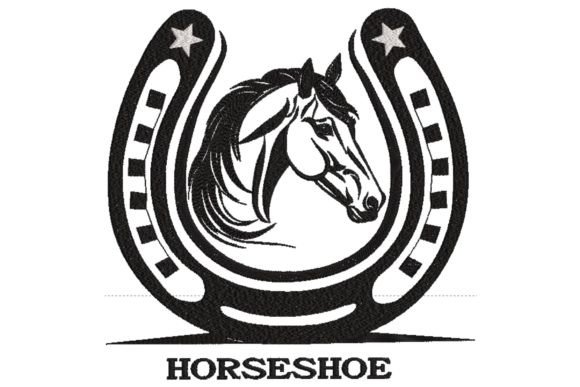
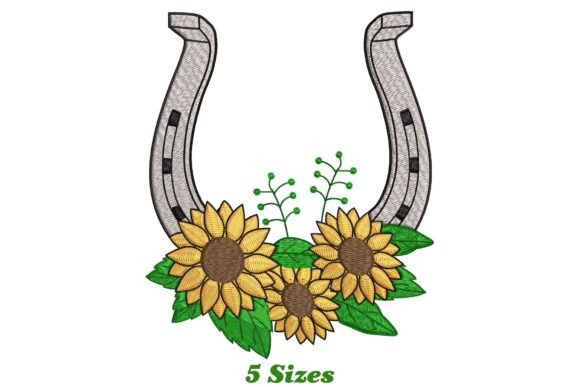
The immediate appeal of Floral Horseshoe lies in its juxtaposition. The horseshoe is a universal symbol of luck, protection, and rural heritage, while the floral elements introduce softness, elegance, and femininity. When you look at the layout, the way the flowers cascade over the metal curve creates a natural visual flow that guides the eye without overwhelming the viewer. It feels less like a sticker slapped onto a garment and more like an integrated part of the textile.
For those of us in the craft business, this balance is crucial. A purely rustic design can feel too masculine or dated, while a purely floral one might lack character. Floral Horseshoe hits the sweet spot for modern farmhouse aesthetics, which remain incredibly popular among Etsy sellers and boutique owners. The design suggests a specific mood: welcoming, lucky, and carefully curated. It is the kind of image that makes a customer pause while scrolling through a feed because it feels both nostalgic and current.
Real-World Application: From Sketch to Stitch
I recently evaluated this design with a specific project in mind: a line of custom embroidered aprons and kitchen towels for a local bridal shower gift set. The challenge with these items is that they are functional. They will be washed frequently, handled by wet hands, and subjected to heat. Does Floral Horseshoe hold up?
In my test run, the design performed admirably on cotton canvas. The satin stitch work along the edges of the horseshoe provided a clean, defined border that prevented fraying and gave the piece a polished look. The fill stitch areas within the flower petals were dense enough to cover the base fabric completely, ensuring no raw material showed through, yet light enough to keep the final product from feeling stiff or heavy. This is a critical distinction. A heavy embroidery file can ruin the drape of a lightweight tea towel, making it feel like a rigid placemat rather than a soft kitchen accessory.
I also tested the design as an embroidered patch for denim jackets. Here, the versatility of the Floral Horseshoe shone. By adjusting the thread colors—opting for muted sage greens and dusty pinks instead of bright primary colors—I was able to shift the vibe from "country fair" to "bohemian chic." This adaptability is what separates a good design from a great one. It allows a small shop product creator to offer variations that appeal to different customer segments without needing to purchase entirely new digital assets.
Apparel and Accessories
Beyond home decor, this design translates beautifully to wearable items. I envision Floral Horseshoe placed on the front pocket of a chambray shirt or centered on the chest of a heavyweight sweatshirt. For sweatshirt embroidery, the contrast between the textured knit fabric and the smooth threads of the design creates a tactile experience that customers love. It adds weight and presence to the garment without looking cluttered.
It also works exceptionally well for baby gifts. A onesie featuring this motif feels personal and heartfelt. Parents often look for symbols of luck and growth, and the combination of flowers (growth) and horseshoes (luck) taps into that emotional desire. As a personalized gift, it pairs well with simple lettering for a name or birthdate, creating a cohesive narrative on the finished product.
Technical Considerations and Pitfalls
While the design is strong, it is not without its challenges. Not every surface is created equal, and a savvy designer knows when to say no. There are specific scenarios where Floral Horseshoe requires careful handling or should be avoided entirely.
- Fabric Texture: Avoid using this on highly textured fabrics like chunky waffle knits or bouclé. The fine details of the flowers may get lost in the weave, resulting in a muddy appearance. Stick to smooth weaves like cotton, linen, or stable blends.
- Stretchy Materials: If you are working with thin, stretchy jersey knits, you must use a high-quality stabilizer. Without proper support, the stitch density of the horseshoe outline could cause the fabric to pucker or distort after washing.
- Small Hoop Sizes: Do not attempt to digitize or embroider this design in a hoop smaller than 4x4 inches if possible. The intricate corners of the floral arrangement need room to breathe. Cropping the design cuts off the visual personality and makes the remaining stitches look crowded.
- Dense Areas: Be mindful of the center of the horseshoe. If you plan to add text below the design, ensure there is enough negative space. Overcrowding the area can make the entire piece look busy and reduce readability.
Strategic Value for Sellers and Makers
For the commercial entrepreneur, Floral Horseshoe offers significant value. It is a versatile design asset that can be used across multiple product categories. You can create a matching set: a tote bag design for shopping, a pillow cover for nursery decor, and a kitchen towel for the hostess gift. This cross-product consistency builds brand recognition and increases average order value.
When creating printable mockups for your online store, this design photographs well against neutral backgrounds. The organic shapes of the flowers soften the hard lines of the horseshoe, making the image pleasing to the eye. In terms of customer trust, delivering a product that looks exactly like the photo—because the stitching is clean and the placement is precise—is essential. A poorly executed stitch job can damage reputation faster than a bad review, so always test before you sell.
Color and Contrast Strategy
One of the most important steps I take before launching a product is to view the design in black and white. This helps me assess the contrast and balance without being distracted by color. With Floral Horseshoe, the contrast holds up well. The solid fill areas provide depth, while the satin outlines provide definition. When choosing thread colors, consider the background fabric. On dark fabrics, use metallic or bright threads for the horseshoe to make it pop, and softer tones for the flowers to maintain elegance. On light fabrics, tonal embroidery (using threads similar to the fabric color) can create a sophisticated, subtle look.
Final Verdict
Floral Horseshoe is a robust, aesthetically pleasing, and commercially viable embroidery project. It succeeds because it understands its audience. It appeals to those who appreciate handmade quality, symbolic meaning, and decorative beauty. Whether you are an experienced professional looking to expand your catalog or a hobbyist wanting to create a meaningful keepsake, this design delivers.
My advice is to approach it with respect for the technical requirements. Test on scrap fabric, choose the right stabilizer, and pay attention to the finishing touches. Done correctly, this design has the potential to become a staple in your collection, driving sales and delighting customers who want a little bit of luck and beauty in their daily lives. It is not just a file; it is a foundation for a beautiful finished product.