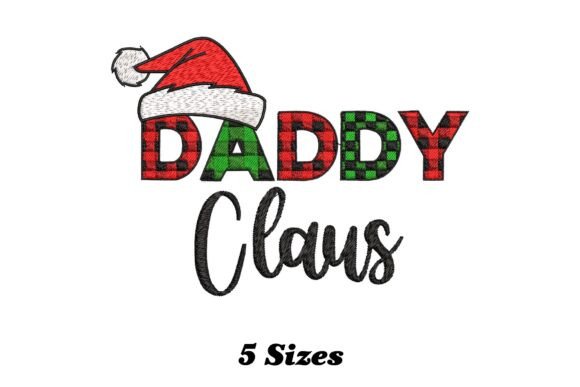
Daddy Claus Christmas Design Review
As an embroidery designer who has spent years refining digital files for commercial production, I approach every new asset with a critical eye. It is not enough for a design to simply look good on a screen; it must translate flawlessly into thread, withstand the rigors of industrial washing machines, and enhance the brand identity of the business wearing it. Today, I am reviewing the Daddy Claus Christmas machine embroidery design. This file promises to transform fabrics with a touch of flair, positioning itself as a playful accent for t-shirts, towels, and home decor. But does it hold up when scaled down for branded patches, staff uniforms, or high-volume small business merch?
First Impressions: Visual Personality and Brand Fit
The title "Daddy Claus" immediately signals a specific tone: informal, humorous, and family-oriented. From a design perspective, this suggests a personality that is friendly rather than formal. When evaluating this embroidery file, the first thing I look for is whether the aesthetic matches the intended market. Is it rustic? Modern? Classic? Based on the description’s promise of a "playful and fanciful accent," this design likely leans toward a bold, fun aesthetic.
For small business owners, particularly in the lifestyle, beverage, or handmade sectors, this visual personality is valuable. It works exceptionally well for brands that want to appear approachable and relatable during the holiday season. However, it may clash with luxury brands or corporate entities seeking a more subdued, elegant Christmas presence. The key takeaway here is that Daddy Claus Christmas is a statement piece. It commands attention through humor and warmth, making it ideal for customer engagement and gift items, but less suitable for conservative professional environments.
Real-World Application for Small Business Merch
In my experience, the true test of any digital embroidery file is its versatility across different product types. Here is how Daddy Claus Christmas performs in practical business scenarios:
- Embroidered Patches: This design shines when converted into an embroidered patch. Whether used as a morale patch on a backpack or a logo on a boutique tote bag, the playful nature of the subject matter allows it to stand out against plain backgrounds. It serves as a perfect conversation starter for craft fair attendees or Etsy customers.
- Staff Uniforms and Aprons: For local bakeries, cafes, or florists looking to boost team spirit during the holidays, this design offers a unique alternative to traditional Santa imagery. Placed on the chest pocket of a work shirt or the bib of an apron, it adds personality without overwhelming the uniform. It helps humanize the brand, showing that the business values fun and community.
- Cap Embroidery: A cap design requires precision. If the Daddy Claus Christmas file includes clean lines and manageable detail, it can serve as a striking front-panel accent. It works well for promotional caps given away at holiday events or sold as limited-edition merchandise.
- Tote Bag Design: Canvas totes are a staple for handmade brands. Stitching this design onto a natural or black canvas tote creates a handmade product feel that resonates with shoppers. The contrast between the rugged fabric and the whimsical design enhances the perceived value of the item.
- Product Packaging Accents: Beyond apparel, consider using this design on branded tags attached to gift boxes or wrapped goods. A small, stitched label featuring this motif elevates the unboxing experience, signaling attention to detail and care.
Critical Considerations for Production
While the concept is strong, execution is everything. As a designer, I advise caution in several areas when preparing Daddy Claus Christmas for commercial use.
Size and Detail Limitations: Embroidery struggles with tiny lettering and intricate outlines. If the original design contains fine text or delicate shading, it will become muddy when stitched at small patch sizes (e.g., 2 inches wide). Always test the design at its intended final size. If the details disappear, simplify the digitizing by reducing stitch density or removing non-essential elements.
Fabric and Surface Challenges: Curved surfaces like the front of a cap require specialized hooping techniques to prevent distortion. Similarly, textured fabrics such as heavy denim or fleece can hide the intricacies of the stitching. Ensure you are using the correct stabilizer to support the fabric and maintain the integrity of the design shape. Dark uniforms may also pose a challenge if the thread colors lack sufficient contrast; always review thread color combinations before committing to bulk production.
Wash Durability: Items that undergo frequent washing, such as aprons and work shirts, need robust construction. High stitch density can lead to puckering if not backed properly. Inspect the spacing between stitches to ensure they are dense enough to cover the fabric but not so dense that they cause stiffness or damage to lighter materials.
Impact on Brand Identity and Customer Trust
Every stitch contributes to your brand identity. Using a design like Daddy Claus Christmas communicates that your brand is in on the joke, fostering a sense of shared joy with your customers. This emotional connection drives recognition and loyalty. When a customer sees a familiar, fun design on a product they love, it reinforces trust in your attention to quality and creativity.
However, consistency is key. Ensure that this design aligns with your other design assets. If your brand typically uses minimalist line art, a bold, colorful Daddy Claus motif might feel disjointed. Use it strategically as a seasonal special rather than a core brand element to maintain visual coherence year-round.
Practical Designer Notes for Success
To ensure the best results, follow these essential steps before launching your commercial embroidery project:
- Test in Black and White: Convert the design to monochrome to check contrast and balance. This reveals structural issues that color might mask.
- Create a Printable Mockup: Before stitching, generate a printable mockup to visualize the design on actual products. This helps in client approvals and marketing previews.
- Inspect Thread Color Contrast: Verify that the chosen threads pop against the target fabric color. Low contrast leads to a washed-out, unprofessional appearance.
- Confirm Hoop Size and Stabilizer: Match the design dimensions to your machine’s capabilities and select a stabilizer appropriate for the fabric weight.
- Verify Commercial Licensing: Most importantly, confirm that you have the right to sell products made with this digital embroidery file. Unauthorized commercial use can lead to serious legal issues.
By carefully evaluating Daddy Claus Christmas through the lens of production viability and brand strategy, you can turn a simple festive graphic into a powerful tool for small business merch growth. It is not just about decorating fabric; it is about creating memorable experiences that customers want to wear, carry, and share.