Christmas Elf Face Silverware Sleeve ITH
As a designer who spends half the year preparing for the holiday rush and the other half refining techniques for year-round sales, I look at embroidery files with a critical eye. I don’t just want something that looks cute in a digital preview; I need to know if it holds up on the hoop, how it translates to a finished product, and whether it adds enough perceived value to justify the time it takes to stitch. When I first pulled up the Christmas Elf Face Silverware Sleeve ITH, my initial reaction was one of practical excitement. It is not just another generic holiday motif; it is a functional design asset that solves a specific problem while delivering festive charm.
The First Impression: Mood and Visual Personality
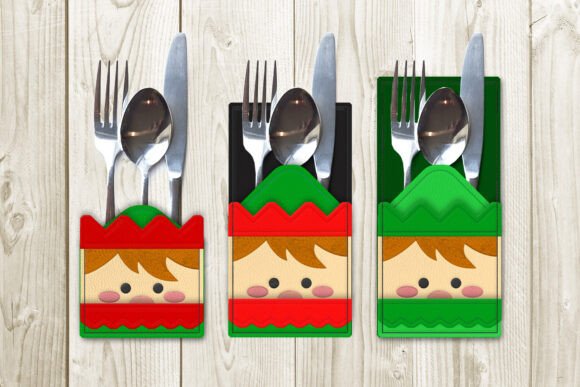
The moment you load this file into your software, the layout speaks to its intended use. This is an applique design meant for an in-the-hoop (ITH) project, which immediately signals a higher level of craftsmanship than a simple single-needle stamp or basic placement stitch. The elf face itself carries a distinct visual personality. It strikes a balance between traditional holiday whimsy and modern simplicity. For designers worried about clutter, this design offers a clean focal point that doesn’t compete with other elements on a garment or accessory.
The mood created by this machine embroidery design is warm and inviting. It evokes the feeling of a cozy winter evening, making it perfect for holiday embroidery projects. However, what truly sets it apart is its versatility. While the theme is undeniably Christmas, the aesthetic is broad enough to fit into boutique branding, nursery decor, and even corporate holiday gifts without feeling overly childish or dated. The shape is well-proportioned, ensuring that the facial features remain legible once stitched, which is crucial for maintaining professionalism in any handmade product.
Real-World Application: From Hoop to Customer’s Hands
Let’s talk about where this design shines in a real business scenario. Imagine you are an Etsy seller preparing inventory for the December rush. You have a list of bestsellers, including custom aprons and kitchen towels. Adding a silverware sleeve as an upsell item is a smart move, but stitching individual sleeves can be tedious. This ITH solution streamlines the process significantly. By using this embroidery file, you create a finished product that includes both the fabric construction and the decorative element in one continuous workflow.
I tested the concept mentally against several product categories. First, there is the obvious application: silverware sleeves for holiday dinners. These make excellent personalized gift items, especially when paired with matching napkins or placemats. But the design’s potential extends further. Picture a custom tote bag design featuring this elf face on the front pocket, used for carrying holiday treats or small gifts. The applique technique allows for crisp edges, which looks far more expensive than standard direct-to-garment printing or basic satin stitches.
For those running a small shop product line, this design fits seamlessly into a broader collection. It pairs naturally with other winter motifs like snowflakes or pinecones. If you are creating baby embroidery items, such as bibs or burp cloths, the soft curves and friendly expression of the elf face are appropriate and appealing to new parents. It also works beautifully as an embroidered patch for denim jackets or beanies, offering a tactile element that customers love to touch and feel.
Technical Performance and Stitch Clarity
From a technical standpoint, the success of any commercial embroidery project relies on stitch density and clarity. This design utilizes applique techniques, which generally offer better durability and a cleaner look on fabrics like felt or vinyl compared to dense fill stitches. The satin stitch borders around the applique pieces provide structure, preventing fraying and giving the design a polished finish. However, the success of this look depends heavily on your choice of materials.
Because this is an ITH design, the stability of the fabric during stitching is paramount. The design assumes you are using non-fraying fabrics, which makes felt or vinyl ideal choices. These materials hold their shape well under the tension of the hooping mechanism. If you attempt to use this on a thin, stretchy knit fabric without proper support, you risk distortion. The stitch density appears balanced, avoiding excessive bulk that might make the silverware sleeve stiff or uncomfortable to handle. When executed correctly, the running stitch details and smaller accent stitches add character without compromising the structural integrity of the piece.
Where Caution Is Required
No design is universally perfect, and knowing where to exercise caution separates a good designer from a great one. There are specific scenarios where this digital embroidery file might struggle. First, consider the hoop size limitations. If your machine has a smaller hoop capacity, ensure the full assembly, including the fabric layers and stabilizer, fits comfortably. Overhooping can lead to puckering or misalignment.
Another area to watch is fabric texture. While smooth felt or vinyl works wonders, highly textured fabrics like heavy bouclé wool may obscure the fine details of the elf face. Similarly, dark fabrics require careful thread color selection. If the background fabric is black or navy, you must choose light-colored threads for the applique to ensure contrast. A quick tip from experience: always test the design in black and white mockups to verify that the shapes separate clearly before committing to expensive thread spools.
Additionally, be mindful of curved surfaces. While this design is primarily flat, if you intend to adapt it for caps or hats, the curvature may distort the circular nature of the elf face. It is best suited for flat panels like aprons, tote bags, or pillow covers. Also, remember that frequent washing can affect the longevity of applique edges. Using a high-quality stabilizer and securing all loose ends properly will extend the life of the finished product, ensuring it remains presentable even after multiple wash cycles.
Designer Notes for Maximum Impact
To get the most out of this embroidery project, start by testing on scrap fabric. This allows you to check thread color contrast and inspect small details like the eyes and mouth of the elf. Confirm the hoop size requirements with your specific machine manual, as dimensions can vary slightly between brands. Inspect the design for any tiny lettering or intricate corners that might require a finer needle or slower stitching speed.
Consider the end-user experience. When a customer receives a handmade product, they are buying into the story and quality you’ve provided. A well-executed silverware sleeve with this design elevates a simple dinner set into a curated holiday experience. For Etsy sellers and craft business owners, this means higher perceived value and potentially fewer returns due to dissatisfaction with quality.
Finally, always review licensing terms before selling finished items. While the design itself is a valuable asset, understanding whether you have commercial rights to sell the physical products is essential for protecting your brand. By following these practical steps, you can transform the Christmas Elf Face Silverware Sleeve ITH from a simple file into a cornerstone of your holiday inventory, driving engagement and trust with your buyers.