Charming Rose Embroidery Design Review
As an embroidery designer who spends weekends setting up booths at local craft fairs and managing a busy online shop, I know that the difference between a design that sits in your folder and one that sells out by noon often comes down to visual impact and practical production. When I first reviewed Charming Rose, I didn’t just look at the stitch pattern; I looked at it through the eyes of a customer browsing a table full of handmade goods. This Single Flowers category piece is designed to be playful and fanciful, but does it hold up under the scrutiny of commercial production? Let’s break down why this machine embroidery design might be the next bestseller for your booth.
First Impressions: The Booth Test
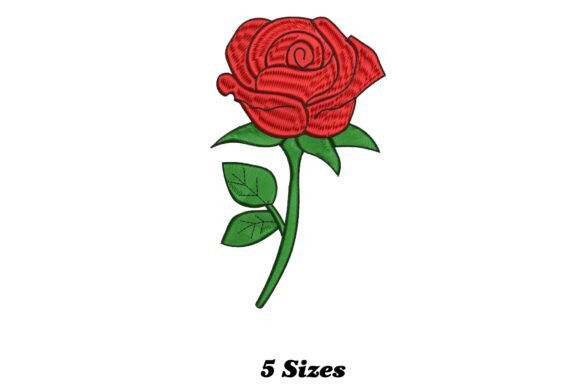
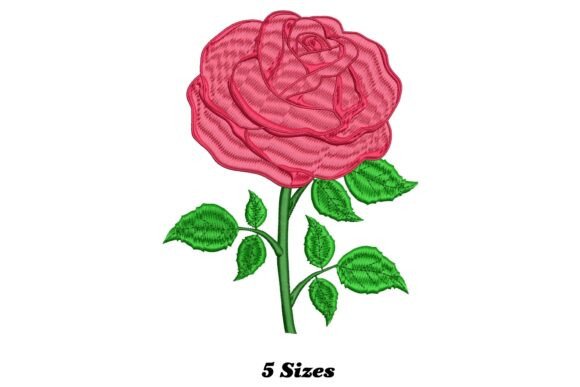
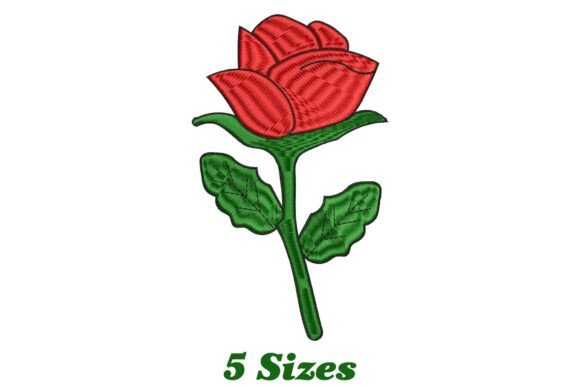
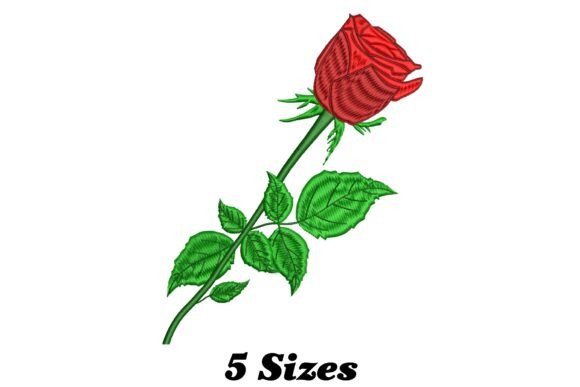
The moment you pull out a sample from your hoop, the design needs to communicate its value instantly. Charming Rose delivers on its promise of adding a "touch of flair." In the context of a crowded craft fair, where customers scan dozens of items in seconds, this design strikes a balance between elegant and approachable. It isn’t overly ornate or cluttered, which means it reads clearly even from a few feet away. The title suggests a classic aesthetic, but the description hints at a modern, cool vibe. This versatility is crucial for a handmade product because it allows you to target multiple demographics—from those seeking rustic farmhouse decor to younger buyers looking for trendy accessories.
When displayed on a neutral background, such as a white canvas tote or a cream-colored tea towel, the rose stands out without overwhelming the fabric. However, the real magic happens when you consider how it interacts with color. Because the design is described as having a "playful" accent, it likely relies on strong thread contrast to pop. If you are an Etsy seller or a boutique maker, you already know that photography is half the battle. A well-stitched Charming Rose photographs beautifully, capturing light and shadow in a way that makes the texture visible through a screen. This visual appeal translates directly to higher click-through rates and better engagement on social media platforms.
Product Versatility and Market Fit
One of the biggest questions designers face is whether a single design can support a diverse inventory. Charming Rose proves that it can. Here is how this embroidery file performs across various high-demand categories:
- Tote Bags and Market Bags: This is perhaps the strongest application. A large-scale placement on a heavy cotton canvas bag gives the design room to breathe. It becomes a focal point rather than just a decoration. Customers love carrying their purchases around the market, making your own branded bags excellent walking advertisements if you stitch them with care.
- Apron Embroidery: Kitchen aprons are perennial sellers. Placing the rose near the pocket or centered on the bib adds a touch of charm to a utilitarian item. It appeals to home cooks and gardeners alike, positioning the item as both functional and decorative.
- Tea Towel Embroidery: Linen or cotton tea towels offer a smooth surface that showcases stitch definition well. The "fanciful accent" mentioned in the description works perfectly here, turning a simple kitchen staple into a giftable item. These are impulse buys at craft fairs, so keeping prices accessible while maintaining quality is key.
- Embroidered Patch: Converting this design into a patch format opens up a new revenue stream. Patches can be ironed or sewn onto denim jackets, backpacks, and hats. This expands your reach to customers who may not want a full garment embroidered but still desire the brand aesthetic.
- Caps and Headwear: Curved surfaces present a challenge, but a medium-sized rose design can wrap nicely around the front panel of a baseball cap or sit elegantly on a bucket hat. Ensure your hoop size accommodates the curve to avoid distortion.
- Fabric Pouches and Pillow Covers: Small pouches for makeup or tech accessories allow for a concentrated burst of design. On pillow covers, the rose can serve as a corner detail or a central motif, adding warmth to home decor.
Production Practicalities for Batch Making
For any commercial embroidery business, repeatability is everything. You need designs that run smoothly through the machine without constant troubleshooting. While I cannot confirm the exact stitch count or file format without the specific technical data sheet, experienced designers will tell you that clarity at smaller sizes is often the hurdle. Before committing to a full production run, you must evaluate the stitch density.
If the design includes tiny details or thin lines, test it at the smallest intended size. On textured fabrics like terry cloth towels or thick denim, fine details can get lost. Conversely, if the design is too dense, it may pucker lightweight fabrics. Always use the right stabilizer for the job—cut-away for stretchy knits and tear-away for stable wovens. This attention to detail ensures your finished product feels premium and professional, reinforcing your brand consistency.
Another critical factor is thread contrast. Dark fabrics require bright or metallic threads to make the Charming Rose visible, while light fabrics allow for softer, pastel palettes. Experimenting with different thread colors can help you create seasonal variations, such as soft pinks for spring or deep reds for fall, keeping your small shop product lineup fresh year-round.
Essential Designer Checklist
- Test on Scrap Fabric: Never skip this step. Stitch the design on the actual fabric you plan to sell. Check for puckering, thread breaks, and color accuracy.
- Check Hoop Size: Confirm that your machine’s hoop can accommodate the design dimensions without cropping essential elements.
- Review Spacing: Ensure there is enough space between stitches to prevent bulkiness, especially if layering multiple colors.
- Create Real Mockups: Don’t rely solely on digital mockups. A physical sample helps you assess the tactile quality and overall drape of the embroidered area.
- Confirm Commercial Licensing: Before selling any digital embroidery file or finished goods, verify the license terms. Most reputable designers allow commercial use for a limited number of units, but policies vary.
Final Verdict: Does It Sell?
In the competitive world of handmade markets, aesthetics alone aren’t enough; the product must feel valuable. Charming Rose achieves this by combining a classic floral motif with a modern execution. It is versatile enough to appear on tote bag designs, apron embroidery, and gift sets, making it a workhorse for any creative entrepreneur. Its ability to photograph well and its clear visual hierarchy make it an ideal candidate for printable mockups and online listings.
However, success depends on your execution. Invest time in selecting high-quality blanks, choose threads that complement the design’s mood, and ensure your stitching is flawless. When done correctly, this design doesn’t just add a flower to a fabric; it adds a story, a touch of elegance, and a compelling reason for a customer to say yes. For anyone looking to expand their design assets with a reliable, attractive, and market-ready option, Charming Rose is a strong contender worthy of a spot in your production queue.