Baby Zebra Embroidery Design Review
As an embroidery designer who has spent years testing digital files for both personal projects and commercial production, I approach every new download with a mix of excitement and skepticism. The market is flooded with designs, but few strike the perfect balance between aesthetic charm and technical reliability. Recently, I pulled the Baby Zebra design from the Baby Animals category to evaluate its potential for my personalized gift shop. This review is based on real-world testing, focusing on how this machine embroidery design performs when transformed into a tangible, high-value product.
First Impressions: Mood and Charm
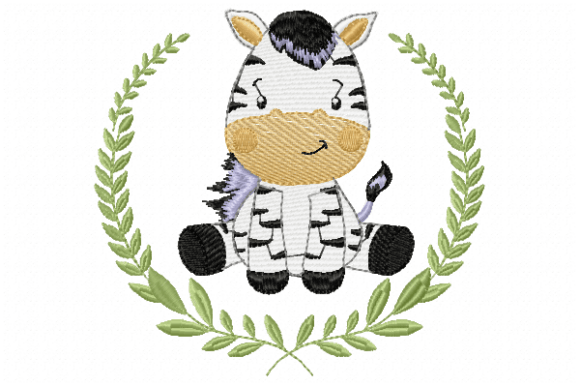
The moment the Baby Zebra file loaded onto my screen, the first thing that struck me was its inherent sweetness. It doesn’t try to be overly complex or avant-garde; instead, it leans into a classic, timeless appeal. The mood is undeniably playful yet gentle, making it an ideal candidate for nursery decor or baby shower gifts. Unlike some modern designs that rely heavily on heavy fill stitches which can look bulky, this design feels light and airy.
From a design perspective, the detail level is well-calibrated. It captures the essence of a zebra without getting lost in excessive minutiae. For a small business owner or Etsy seller, this is crucial. You want a design that reads clearly from a distance but still rewards closer inspection. The emotional appeal here is strong—it evokes feelings of innocence and warmth. Whether you are creating a custom apron for a new parent or a keepsake pillow cover, the Baby Zebra brings a sense of handmade quality that resonates with buyers looking for something special.
Product Applications and Giftability
One of the most valuable aspects of reviewing a design like Baby Zebra is visualizing its end-use. In my planning process, I immediately saw this design fitting seamlessly into several high-demand categories. Here is how I see it performing across different product types:
- Baby Blankets and Throws: A soft, neutral-colored muslin or cotton flannel blanket featuring the Baby Zebra creates an instant heirloom piece. The contrast of the black and white stripes against pastel backgrounds is visually striking and photographically appealing for social media marketing.
- Kitchen Towels and Aprons: While typically associated with babies, the cute animal motif works surprisingly well on kitchen textiles. An embroidered towel with Baby Zebra makes a unique housewarming gift or a charming addition to a family-themed kitchen.
- Pillow Covers and Nursery Decor: Standard 12x12 or 18x18 inch pillow covers are perfect canvases. The design’s compact nature allows it to sit nicely in corners without overwhelming the fabric texture.
- Tote Bags and Market Totes: For the eco-conscious mom, a canvas tote bag with Baby Zebra offers practicality mixed with personality. It serves as a great diaper bag alternative or a shopping companion.
- Wedding and Family Keepsakes: Don’t limit yourself to baby products. This design can be used for "just because" gifts for nieces, nephews, or friends expecting. It also fits well in the realm of family reunion gifts where everyone gets a personalized item.
When considering the buyer, the Baby Zebra attracts customers who value sentimentality. It appeals to grandparents looking for meaningful presents, expectant parents curating their nursery, and craft fair shoppers who appreciate the uniqueness of handmade products. The perceived value increases significantly when the design is paired with high-quality materials, such as organic cotton or premium linen.
Strategic Use Cases for Digital Sellers
If you are a digital product seller, the versatility of this embroidery file extends beyond physical goods. You can create printable mockups showcasing the Baby Zebra on various items. These digital assets help physical sellers visualize the final product, reducing hesitation and increasing conversion rates. By offering the design in multiple formats, you cater to a broader audience of machine owners, ensuring your digital embroidery file remains competitive in the marketplace.
Technical Considerations and Fabric Compatibility
While the aesthetic is strong, any experienced embroiderer knows that execution is everything. When planning to use Baby Zebra for commercial orders, there are specific areas where care must be taken to ensure a professional finish.
First, consider the stitch density. Although the design appears balanced, dense clusters can sometimes cause puckering if not supported correctly. Always test on scrap fabric before committing to expensive materials. Pay close attention to the hoop size limitations; if the design requires a large hoop, ensure your customer’s garment or accessory can accommodate it without distortion.
Fabric choice plays a pivotal role. The design will perform best on woven fabrics like cotton, linen, and denim. However, caution is advised when working with:
- Stretchy Baby Clothes: Knits can distort easily. If using this on onesies or bibs, a cut-away stabilizer is non-negotiable to maintain shape after washing.
- Thick Towels: While popular, thick terry cloth can hide fine details. Ensure the needle depth is sufficient and that the backing does not become too stiff.
- Dark Fabrics: Contrast is key. If stitching on dark backgrounds, verify that your thread colors provide enough visibility. Light threads may get lost, while dark threads might blend in too much depending on the lighting conditions of your product photos.
- Curved Surfaces: Items like hats or curved bag fronts require careful hooping techniques to prevent stretching. Flat surfaces generally yield the cleanest results.
Enhancing Perceived Value and Customer Trust
In the world of handmade products, trust is built through consistency and quality. Using a well-tested design like Baby Zebra helps establish credibility. When customers receive a finished product with clean stitches, no loose threads, and accurate placement, they are more likely to leave positive reviews and return for future purchases.
The emotional connection forged by a personalized gift is powerful. A baby zebra isn't just an animal; it represents new life, joy, and care. By highlighting this narrative in your product descriptions, you elevate the item from a simple commodity to a cherished memory. Furthermore, high-quality photography that showcases the texture of the stitches and the softness of the fabric reinforces the handmade quality, justifying a higher price point.
Practical Pre-Production Checklist
Before adding Baby Zebra to your active inventory or starting a custom order batch, I recommend running through this practical checklist:
- Test Stitch-Out: Always stitch out the design on the actual fabric you intend to sell. Check for any registration issues or color blending problems.
- Thread Color Contrast: Experiment with different thread palettes. Sometimes a slight shift in shade can make the zebra stripes pop more effectively.
- Stabilizer Selection: Match the stabilizer weight to the fabric weight. Too little support leads to puckering; too much leaves a permanent ridge.
- Detail Verification: Zoom in on the stitched sample. Are the small details clear? If the design includes tiny text or delicate features, ensure they remain legible after washing.
- Commercial Licensing: Confirm the commercial license terms for the digital file. Ensure you are legally permitted to sell finished products made from this embroidery design.
- Wash Testing: Wash and dry the sample to check for shrinkage or thread fading. This ensures the product remains beautiful even after frequent laundering.
Ultimately, the Baby Zebra design offers a wonderful opportunity for creators in the baby, wedding, and home decor niches. Its charm is universal, and its technical requirements are manageable for both beginners and seasoned professionals. By paying attention to the details—from fabric selection to final finishing—you can transform this digital file into a standout product that delights customers and builds your brand reputation.