Autumn Scarf Embroidery Review
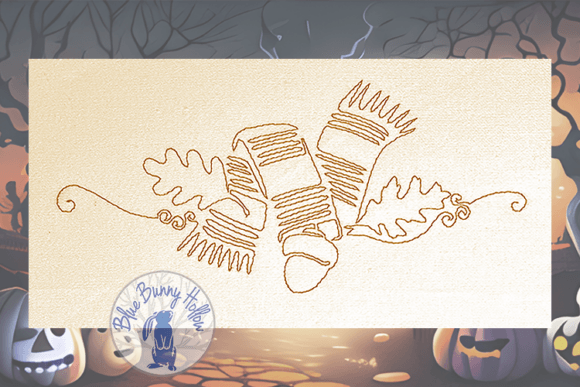
As an experienced embroidery designer who has spent years translating visual concepts into stitchable realities, I approach every new design file with a critical eye. For small business owners, Etsy sellers, and apparel decorators, the difference between a mediocre product and a bestseller often lies in the details of the design itself. Today, I am reviewing the Autumn Scarf machine embroidery design to determine its viability for commercial merchandise, branded patches, and custom apparel.
The description highlights that this is a linework marvel tailored for quick stitching endeavors, aiming to harness the aesthetics of fall. But does it hold up under the scrutiny of production? Let’s dive into how this digital embroidery file performs when moved from the screen to the hoop.
First Impressions: Visual Personality and Aesthetic Fit
When I first loaded the Autumn Scarf design into my digitizing software, the immediate takeaway was its clean, streamlined nature. The term "linework" suggests a design that relies on outlines and negative space rather than heavy fill stitches. This is crucial for modern branding, which tends to favor minimalist, elegant, or rustic aesthetics over overly complex graphics.
The design feels professional yet approachable. It strikes a balance between playful and premium, making it an impeccable choice for brands that want to convey warmth without sacrificing sophistication. Whether you are running a local bakery, a boutique florist, or a handmade craft studio, the visual personality of this design aligns well with the cozy, inviting vibe associated with autumnal themes. It does not scream for attention; instead, it offers a subtle, sophisticated accent that enhances the garment or item it adorns.
Real-World Business Applications
For small business merch creators, versatility is key. Here is how Autumn Scarf translates across various high-demand product categories:
- Embroidered Patches: Linework designs often translate beautifully onto patches because they lack dense fills that can cause puckering. This makes Autumn Scarf an excellent candidate for iron-on or sew-on patches used on denim jackets, tote bags, or as brand identifiers on packaging.
- Staff Uniforms and Aprons: For café owners and restaurant managers, consistent branding is vital. This design works exceptionally well as a chest logo accent on work shirts or apron embroidery. Its clean lines ensure it remains legible even from a distance, reinforcing brand identity without overwhelming the staff uniform.
- Caps and Hats: Cap embroidery requires designs that conform to curved surfaces. The linear nature of this file likely allows for better contouring on cap fronts compared to bulky floral patterns. It provides a refined look for baseball caps or beanies sold as part of a seasonal collection.
- Tote Bag Design: Canvas totes are a staple for crafters and bookstores. Placing this design centrally or off-center on a tote bag adds a touch of elegance. It elevates a simple canvas bag into a branded accessory that customers will actually want to use, increasing brand visibility.
- Product Packaging Accents: Beyond apparel, consider using this design on fabric tags attached to your products. A small embroidered label featuring Autumn Scarf adds a tactile, handmade quality that significantly boosts perceived product value.
Impact on Brand Identity and Customer Trust
In the world of handmade products and digital downloads, presentation is everything. High-quality embroidery signals professionalism and attention to detail. When a customer sees a crisp, well-executed Autumn Scarf design on a product, it subconsciously communicates that the brand cares about quality. This visual consistency builds customer trust and recognition. Furthermore, a unique design asset helps your brand stand out in a crowded marketplace like Etsy or Shopify, turning casual browsers into loyal buyers through superior aesthetic appeal.
Technical Considerations and Potential Pitfalls
While the design shows promise, no embroidery file is perfect for every application. As a designer, I must highlight areas where caution is required to avoid costly production errors.
Sizing and Detail Retention
Linework designs can be deceptive. While they look great at full size, they may lose definition when scaled down too small. Be very careful when using this design for tiny lettering or miniature patch sizes. If the lines are too thin, they may merge together during the stitching process, resulting in a muddy appearance. Always test the design at its intended final size before committing to a bulk run.
Fabric and Surface Constraints
The success of any embroidery project depends heavily on the substrate. Avoid placing this design on highly textured fabrics where the stitches might get lost in the weave. Similarly, dark uniforms require high thread color contrast; if the design uses light threads on dark fabric without adequate underlay, it may appear faint. Ensure you are using the proper stabilizer for the specific fabric type to prevent distortion, especially on stretchy materials like jersey knits often used for t-shirts.
Washability and Durability
For items that will undergo frequent washing, such as aprons or work shirts, inspect the stitch density. Although described as a "quick stitching" marvel, ensure the stitches are secure enough to withstand industrial laundering. Loose linework can unravel over time, damaging the brand's reputation for durability.
Practical Designer Notes for Production
To ensure the Autumn Scarf design delivers maximum impact, follow these essential steps before starting your commercial embroidery projects:
- Test in Black and White: Convert the design to monochrome in your software. This helps you evaluate the spacing and structure without the distraction of thread colors. If it looks good in black and white, it will likely succeed in color.
- Check Hoop Size and File Format: Confirm the hoop size requirements match your equipment. Verify the digital embroidery file format (e.g., .dst, .pes, .exp) is compatible with your machine.
- Thread Color Contrast: Review thread color choices carefully. Autumn tones often pair well with creams, navys, or deep greens, but ensure sufficient contrast against your base fabric to maintain legibility.
- Stabilizer Selection: Use the correct stabilizer (cut-away for knits, tear-away for wovens) to support the fabric during stitching. This is critical for maintaining the integrity of the linework.
- Create a Printable Mockup: Before producing physical samples, create a printable mockup for client approval. This allows you to visualize the design on the actual product and make adjustments if necessary.
- Confirm Commercial Licensing: Most importantly, verify the commercial licensing terms of the digital embroidery file. Ensure you have the right to sell finished goods created with this design asset to avoid legal issues.
Final Verdict
The Autumn Scarf embroidery design is a strong contender for small business owners looking to add a touch of seasonal elegance to their merchandise. Its clean linework and versatile aesthetic make it suitable for a wide range of applications, from branded patches to custom apparel. However, success lies in the execution. By paying close attention to sizing, fabric compatibility, and proper stabilization, you can transform this digital file into a tangible asset that enhances your brand identity and delights your customers.
For those seeking a reliable, professional-looking design that captures the essence of fall without being overly ornate, Autumn Scarf is worth testing in your next production cycle. Just remember to always test on real fabric first and confirm all technical specifications to ensure a flawless finished product.