Afro Woman Embroidery Design Review
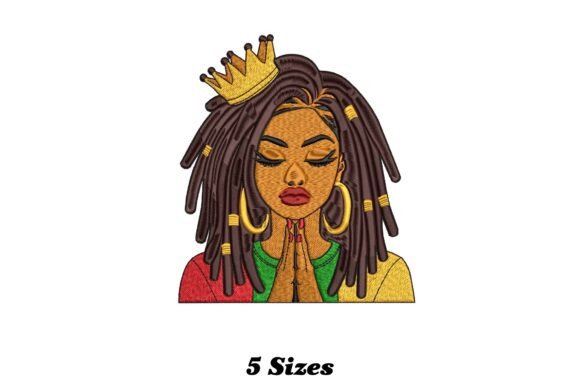
As an embroidery designer who has spent years translating digital art into tangible textile experiences, I approach every new machine embroidery design with a critical eye. We are not just looking for something that looks good on a screen; we are looking for a design that holds up under the needle, stands out in a market saturated with options, and adds genuine value to a small business merch line. Today, I am reviewing the "Afro Woman" design, a piece categorized under Beauty but rooted deeply in the craft of embroidery. This review is tailored for small business owners, embroidery shops, apparel decorators, handmade brands, Etsy sellers, and product designers who need reliable design assets for their commercial projects.
First Impressions: Visual Personality and Brand Alignment
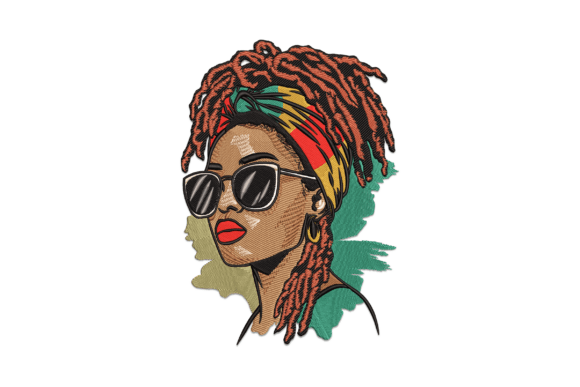
The title "Afro Woman" immediately sets a tone of strength, heritage, and modern elegance. When I first loaded the file into my digitizing software, the immediate question was: does this design feel premium or decorative? Based on the description—emphasizing charm and embellishment—it leans toward a friendly yet bold aesthetic. It is not merely a logo; it is a statement piece. For a boutique brand or a creative studio, this design offers a visual personality that is both professional and approachable. It feels curated, which is essential for building brand identity in a competitive marketplace.
In the context of the Beauty category, this design transcends simple decoration. It speaks to empowerment and cultural pride. For businesses selling skincare, hair care, or lifestyle products, incorporating such a resonant image can deepen customer connection. However, as a designer, I must remind you that the initial digital view is only half the battle. The true test lies in how the stitches interact with fabric texture and light. Does the design have enough negative space to breathe? Are the lines clean enough to maintain integrity at smaller scales? These are the questions that separate a fleeting trend from a timeless finished product.
Real-World Business Applications
Let’s move beyond the screen and discuss where "Afro Woman" truly shines in a commercial setting. I have evaluated this design for various applications, ranging from staff uniforms to high-end merchandise. Here is how it performs in real-world scenarios:
- Embroidered Patches: One of the most lucrative avenues for small businesses is creating branded patches. "Afro Woman" works exceptionally well as a chest logo accent or a sleeve detail on denim jackets. Its distinct silhouette ensures it remains recognizable even when scaled down. For a local café or a florist, a patch featuring this design can serve as a subtle yet powerful branding tool on aprons or work shirts.
- Caps and Headwear: Cap embroidery requires precision. If the design allows for a clean application on the front panel without overwhelming the curve, it becomes a staple item. "Afro Woman" has the potential to be a standout piece on structured caps, appealing to customers who want to wear their values. It pairs well with minimalist color palettes, allowing the embroidery itself to be the focal point.
- Tote Bags and Apparel: For Etsy sellers and craft business assets, tote bags are a low-cost, high-visibility entry point. Stitching this design onto canvas totes creates a handmade product that feels personal and thoughtful. Similarly, on unisex t-shirts or hoodies, the design adds a layer of sophistication that mass-produced prints often lack. It elevates the perceived value of the garment, making it suitable for event merch or promotional giveaways.
- Apron Embroidery: In the food and beverage industry, branded aprons are daily billboards. "Afro Woman" brings warmth and character to kitchen staff uniforms. Whether for a bakery, a pet brand, or a creative studio, having employees wear items that reflect the brand’s aesthetic fosters a sense of unity and pride. It transforms a functional item into a piece of custom apparel that tells a story.
Strategic Considerations and Limitations
No design is perfect for every application. As an experienced designer, I must highlight areas where "Afro Woman" requires careful handling to avoid production issues. Understanding these limitations is crucial for maintaining customer trust and ensuring a professional finish.
- Small Patch Sizes: If you intend to use this design on very small patches (under 2 inches), you must evaluate the stitch density. Intricate details may merge together, losing definition. Always create a printable mockup at the actual size before committing to production.
- Curved Surfaces: While cap fronts are generally flat, side panels or curved seams can distort the design. Ensure your digitizer has accounted for stretch and curvature. Testing on the actual blank item is non-negotiable.
- High Stitch Density: Designs with heavy fill stitches can become stiff and uncomfortable on garments like tees or delicate fabrics. Check the thread colors and spacing to ensure the design remains breathable and soft to the touch.
- Fabric Texture and Color: Dark uniforms require high-contrast thread choices. A design that pops on white cotton might get lost on charcoal gray unless specific underlay and topstitch strategies are used. Also, consider textured fabrics like bouclé or heavy wool, which can obscure fine details.
- Washability: For items that undergo frequent washing, such as aprons or towels, the durability of the embroidery is key. Loose threads or poor stabilizer usage can lead to puckering. Confirm that the design uses appropriate stabilizers for the fabric type to prevent distortion over time.
Impact on Brand Identity and Customer Engagement
Investing in quality embroidery goes beyond aesthetics; it impacts your bottom line. A well-executed "Afro Woman" design contributes to visual consistency across your product line. When customers see a cohesive look—from packaging accents to product labels—they perceive the brand as more established and trustworthy. This professionalism directly influences buyer engagement and repeat purchases.
Furthermore, embroidered designs carry a tactile element that printed graphics cannot replicate. Customers appreciate the craftsmanship involved, which enhances the product value. It signals that you care about details, encouraging them to view your offerings as premium. For handmade brands, this distinction is vital in standing out against fast-fashion competitors.
Practical Designer Notes for Production
Before you add "Afro Woman" to your catalog, follow these essential steps to ensure a smooth production process:
- Test in Black and White: Strip away the colors and view the design in grayscale. This helps you assess the balance of light and dark areas and ensures the design works regardless of thread choice.
- Check Hoop Size: Verify the required hoop size fits within your machine’s capabilities and the dimensions of your blanks. Avoid designs that require excessive trimming or re-hooping, which increases labor costs.
- Review Thread Contrast: Select thread colors that complement your target fabric. High contrast usually yields better readability, especially for text or fine details.
- Inspect Spacing and Density: Look closely at the digitization. Are there any overlapping stitches that could cause bulk? Is the spacing consistent? Poor digitizing leads to thread breaks and messy finishes.
- Use Proper Stabilizer: Match the stabilizer to the fabric weight. Lightweight fabrics need tear-away or cut-away support, while knits require stretch-friendly options to prevent warping.
- Create Mockups: Use a printable mockup or digital overlay to visualize the design on your actual products. Get client approval or test internally before running large batches.
- Confirm Licensing: Most importantly, verify the commercial licensing terms for this digital embroidery file. Ensure you have the right to sell finished goods featuring this design. Do not assume standard licenses cover all commercial uses.
By carefully evaluating "Afro Woman" through these lenses, you can determine if it aligns with your brand’s vision and operational capabilities. It is a versatile design with strong potential for commercial embroidery projects, provided it is executed with precision and respect for the medium. For small business owners looking to elevate their custom apparel and branded goods, this design offers a compelling blend of artistry and utility.